Review and Info on the Tria Home Base Laser Hair Removal System
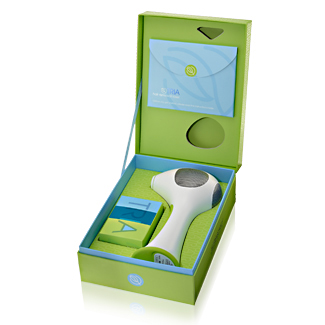 Tria Laser Hair Removal A Short Video Guide How To Use Kim Kardashian Praises New TRIA Laser on The Rachel Ray Show | Introduction - What is The Tria System ? If you’ve looked around at home hair removal solutions, you’ve probably heard of the Tria laser hair removal system. It is one of the top-selling, top-rated and most effective products on the market. This Tria Laser review will give you all the information you need to evaluate this hair removal tool in light of your personal needs, so you can decide if it is right for you. Simply put, the Tria Laser system is the home hair removal tool that is most like the lasers used in professional laser clinics. It is a complete hair removal system that offers excellent results for a wide range of consumers. The Technology Behind The Tria The Tria uses diode laser beam technology that is approved by the FDA for use at home. It is the only tool currently available with FDA approval that uses this laser technology. Here is how the laser works. The melanin pigment in the hair absorbs the laser in the same way dark paint absorbs heat. The hair becomes superheated for just an instant, but the heat is enough to damage the hair and the follicle. With repeated treatments, the follicle can be completely destroyed so that it won’t continue to grow hair, producing permanent hair removal. Because the laser relies on pigment in the hair, the Tria is most effective on darker hair, including most brown tones and black hair. It is less effective on blonde, gray or red hair. The Tria Laser is a cordless tool that is recharged with the cradle included in the kit. One charge is good for about 400 “zaps” and the tool is capable of 500+ recharges. Using The Tria System Using the Tria System is really quite easy. Tria suggests that you shave the area to be treated beforehand. This is done to reduce the discomfort caused by the laser. Use a new razor and quality shaving cream or gel to ensure a close and comfortable shave. Rinse and dry the area after shaving. The second step is an important one. The Tria comes with skin tone sensor to determine if your skin is light enough to use the Tria safely. Just like melanin in the hair, pigment in your skin can absorb the laser heat if it is too dark, causing significant discomfort and even burns. The sensor will show green light if your skin is light enough and red light if it is too dark. Keep this in mind if you plan to do any tanning. You may want to use the Tria before tanning if there’s a chance that tanning will make your skin too dark when it otherwise would not be. When the sensor shows green, push the large button on the Tria and wave the green light in front of it. This signals the Tria that your skin is safe for Tria and this unlocks the Tria, making it ready for use. Tria has 5 strength settings and the next step is to select on that is right for you. The coarser your hair is, the higher the setting should be. You may want to start on 3 and make adjustments from there if needed. Legs are a good place to begin in order to get used to the Tria. Place the Tria laser hair removal device against your skin and it will beep, signaling it is ready. Then it will beep again to signal it is done. Move the device horizontally to the next section, overlapping by ¼”. When you’ve done the entire area horizontally, go back over it vertically, with the same ¼” overlap. That completes the treatment for that area. Keep a log of the areas you have treated with the Tria hair removal layer so you can schedule ongoing treatments. Area of The Body You Can Treat The only area that Tria is not approved for is the face. It can be used on the shoulders, back, chest, arms, underarms, hands, bikini line but not the genitals, legs, and feet. Tria System VS Clinic Visit ? There are many advantages to using the Tria rather than going to a professional laser clinic. You’ll get similar results, and that is the most important. The Tria costs just a small fraction of what professional laser treatment costs too. Plus, you can schedule treatments at home any time you want, where you can be more comfortable. Your privacy is protected when you use the Tria and you don’t waste time travelling to a clinic. Who can use the Tria ? The Tria can be used by those with light and medium skin tones. The tones that are safe include ivory, beige, almond, white and light brown. The light sensor that is included in the Tria laser hair removal system will let you know whether your skin in that area is acceptable for treatment. Again, keep this in mind as you consider scheduling appointments at a tanning salon and how that may affect your ability to use the Tria. Tips to use the Tria System To ensure the most effective use of the Tria home hair removal tool, follow the directions that come with the device very carefully. They spell out in step by step form how to use the system for best results. One of the most important tips to keep in mind is to shave the area closely just prior to treatment in order to make it more comfortable. FAQ 1. How much time each treatment takes ? Here is a rough idea for how long a single treatment will take. Both legs: 45-75 minutes. Underarms: 15-20 minutes. Back: 45-75 minutes. Bikini area: 10-20 minutes. 2. How many treatments are required ? You’ll notice a difference in just 1-3 treatments. To achieve long-lasting results, treat the area every 2-4 weeks with a total of 6-10 treatments. The reason for multiple treatments is that hair grows in 3 separate phases including growth, resting and shed. Some hair will be in each of the three phases and any time and it is important to treat it during the growth phase to most effectively eradicate it. 3. Does the Tria provide permanent hair removal? In many cases, hair removal achieved by the Tria Laser is permanent. Results will vary, but approximately 70% of users report permanent hair removal with repeated use. Where hair does grow back, it is usually finer and lighter. The results for the Tria home hair removal system are very encouraging. 4. When should I except to see result ? You will notice results after 1-3 treatments. The results will become more permanent with consistent, ongoing use of the Tria laser hair removal system. 5. Does it Hurt ? You may experience some discomfort when using the Tria, but most don’t feel significant pain. The higher the heat setting, the more intense it can be. Those with sensitive skin or darker skin may also experience more discomfort. For many, the level of discomfort decreases with each successive use of the Tria laser. Conclusion Is the Tria laser system right for you? It will depend on your skin tone and the color of the hair you want to get rid of. The Tria comes with a money-back guarantee which takes the risk out of trying it. A strong majority of those who use the Tria have good results and that might make it worth a try for you. |
(c) 2011-2012 HairRemovalVSHairRemoval.com - Comparing The Silk’n SensEpil VS Tria Laser Hair Removal Comparison Silk’n SensEpil Versus Tria Tria Resources : http://hairremoval.about.com/od/laser/a/tria-laserhair.htm tria video review - http://www.youtube.com/watch?v=zKotf4dqFms http://www.blissworld.com/tria-hair-removal-laser/ http://www.mystyle.com/mystyle/b7845_product_review_tria_hair_removal_laser.html |
